
Standing seam metal roofing
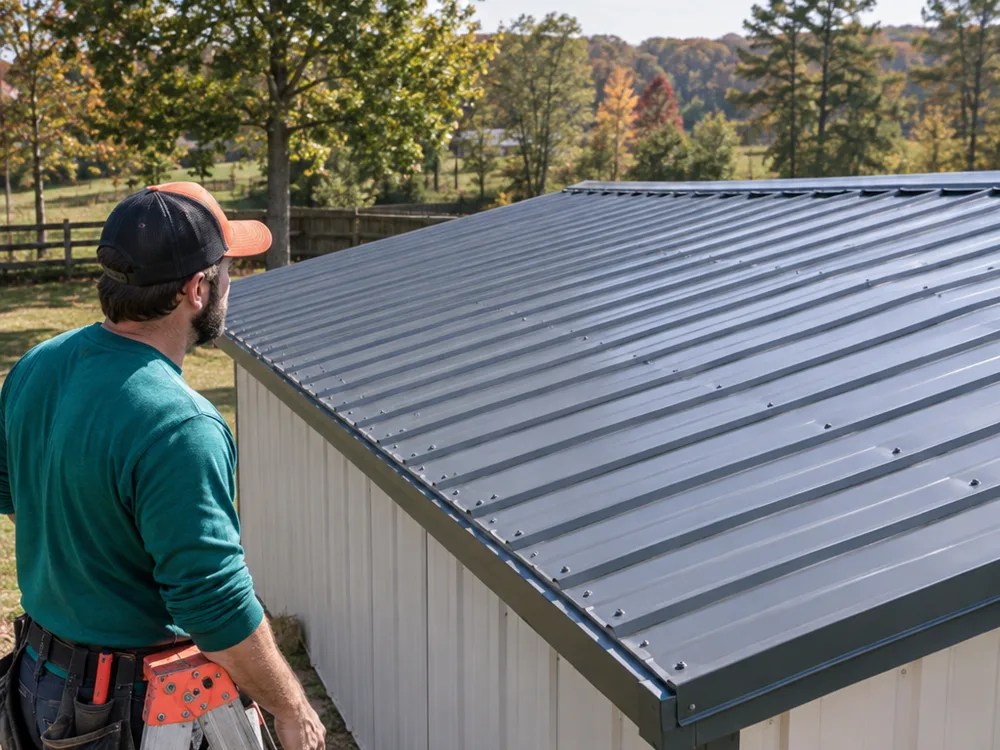
A concealed-fastener system where panels lock together at raised seams. Contractors often recommend it for long-term performance because fasteners are protected from weather exposure.
Serving Decatur, Georgia & surrounding areas
Calls answered around the clock
Describe your roof and your goals once, and we'll connect you with a local contractor in the Decatur area who installs metal roofing systems.
CALL NOW: +1 678 737 4401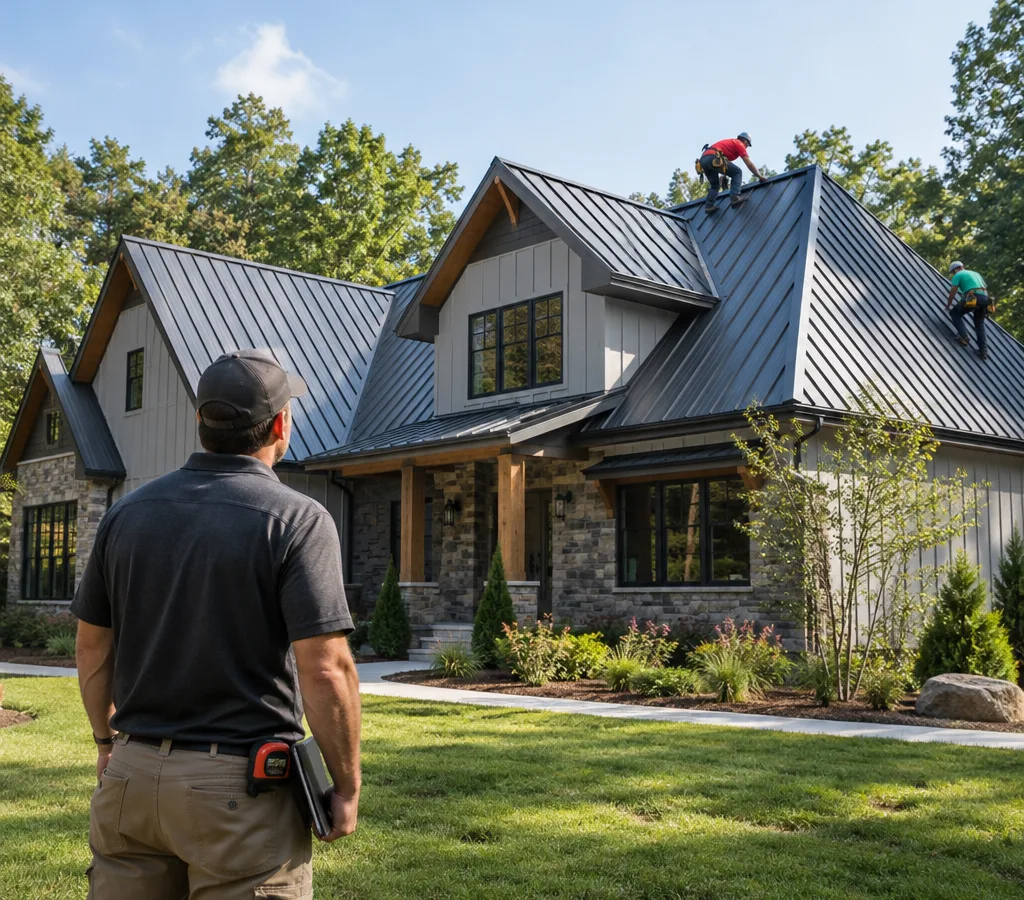
If you're searching for metal roofing Decatur GA, you're usually weighing durability, appearance, and how the system handles Georgia heat, heavy rain, and wind-driven storms.
Metal roofing projects generally fall into three categories:
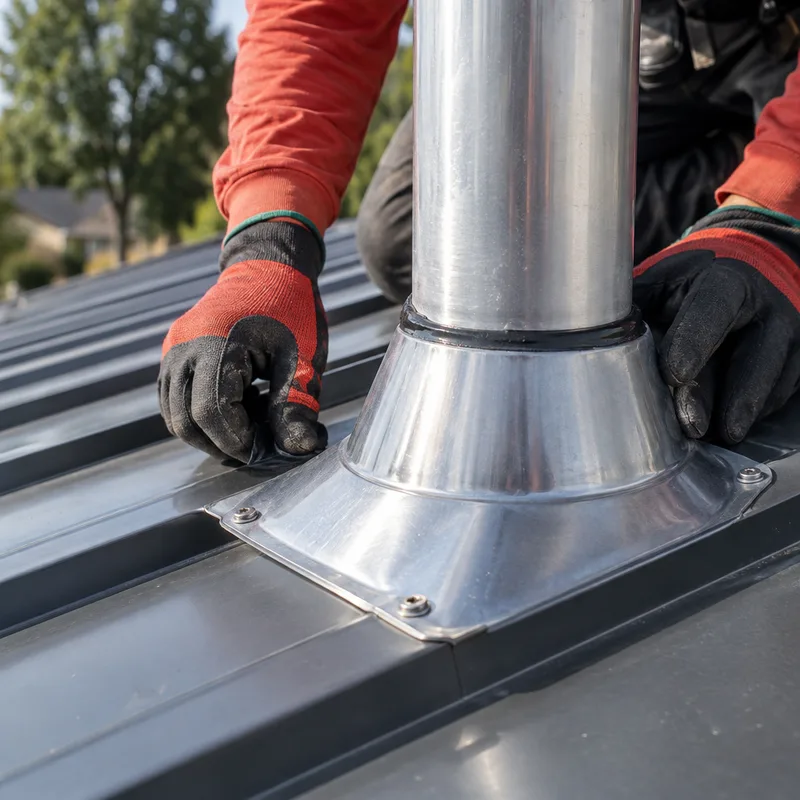
A good metal roof job is mostly about the details you don't see from the street. The contractor focuses on drainage paths, penetrations such as pipes, flues, and skylights, transitions at walls and chimneys, and how the panels terminate at eaves, rakes, and ridges.
Because Decatur includes a mix of older homes and newer remodels, it's common for roof lines to be complex: multiple valleys, dormers, and porch tie-ins. Each change in plane is a place where the metal layout and flashing choices matter.
If you call Decatur Roofing, you can describe what you have—current roof type, how old it is if you know, and what problems you're seeing—and get connected with a local contractor who handles metal roofing systems in the Decatur area.
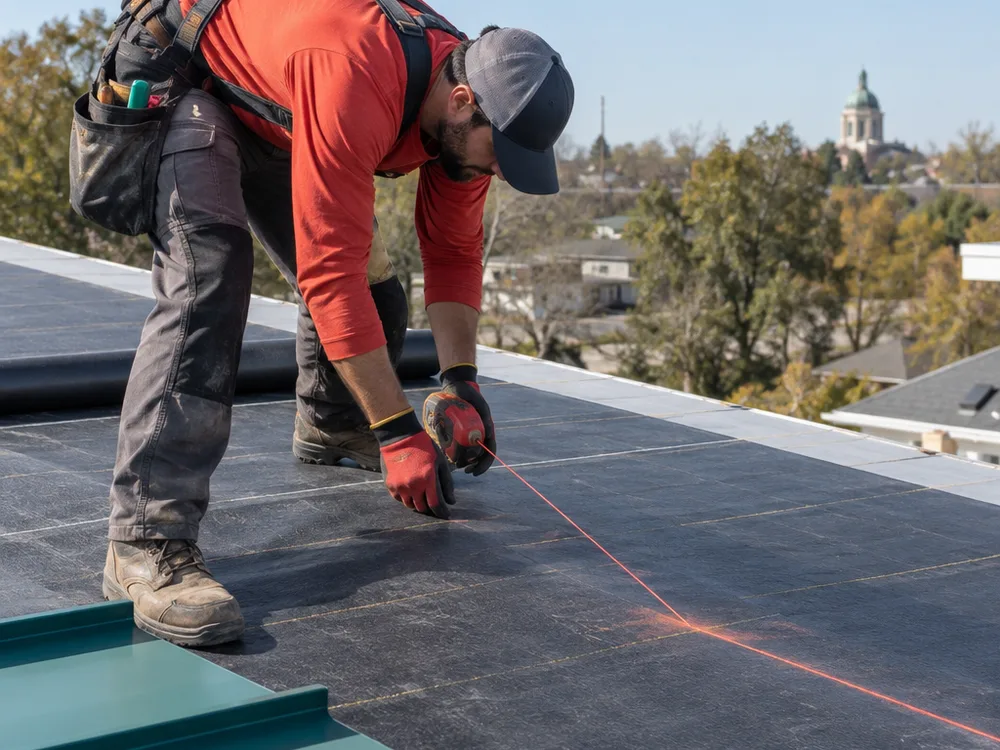
A concealed-fastener system where panels lock together at raised seams. Contractors often recommend it for long-term performance because fasteners are protected from weather exposure.
A panel system secured with gasketed screws. It can be a practical choice for certain roof shapes and buildings, but fastener placement and maintenance expectations should be discussed up front.
Metal formed to resemble shingles, shakes, or tile. A contractor can explain how the profile affects water-shedding, flashing details, and the look on your home's roof lines.
Paint systems and finishes affect appearance and long-term wear. Ask what finish is being used and how it's expected to hold up to sun exposure and debris from tree cover.
Drip edge, fascia details, and gutter tie-ins matter with metal. The contractor can confirm whether existing gutters can stay or whether changes are needed to match the new edge details.
The contractor looks at roof pitch, number of penetrations, valleys, and wall transitions. This is where they decide whether standing seam or a panel system fits the roof geometry and your goals.
If the old roof is removed, the deck is inspected for soft spots or water damage. Any problem areas need to be addressed before the metal system goes down.
Underlayment, ice-and-water style membranes in critical areas as specified for the build, and valley details are installed to manage runoff during heavy rain events.
Panels are installed with a layout that keeps seams straight and terminations clean at ridges, hips, eaves, and rakes. Flashing is installed around pipes, chimneys, and skylights.
You review any items that may need periodic attention, such as debris clearing in valleys and checking sealants around penetrations. This is also the time to ask about warranty terms on both material and installation.
If you're comparing metal roofing systems and want a local installer to weigh in on your roof layout, describe what you have once and we'll connect you with a contractor who can take it from there.
CALL NOW: +1 678 737 4401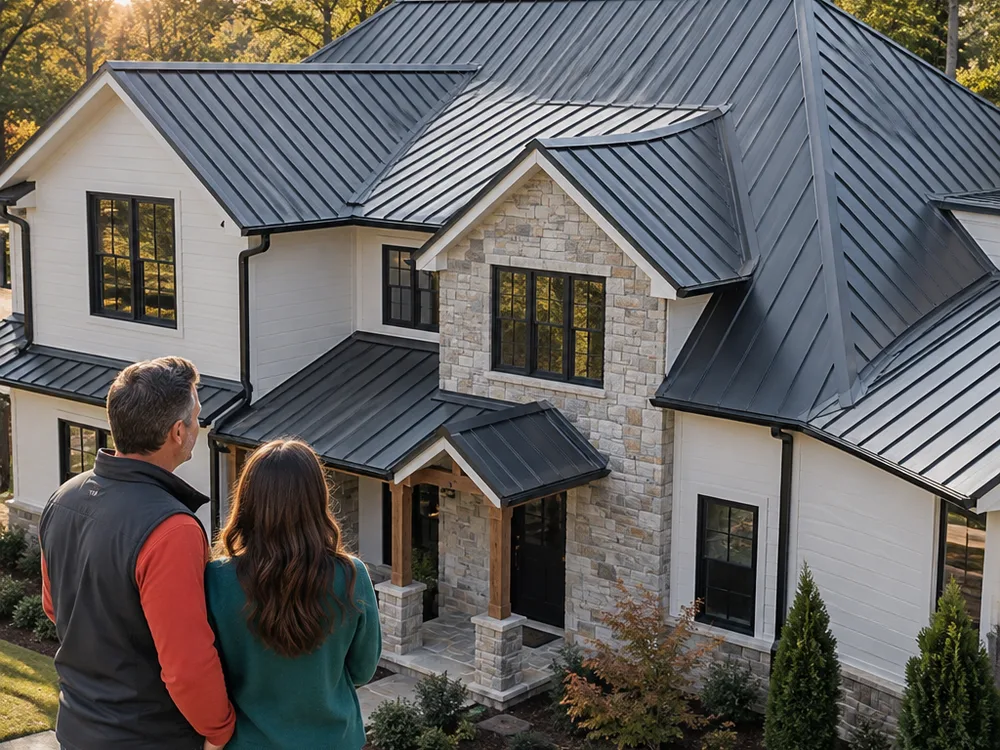
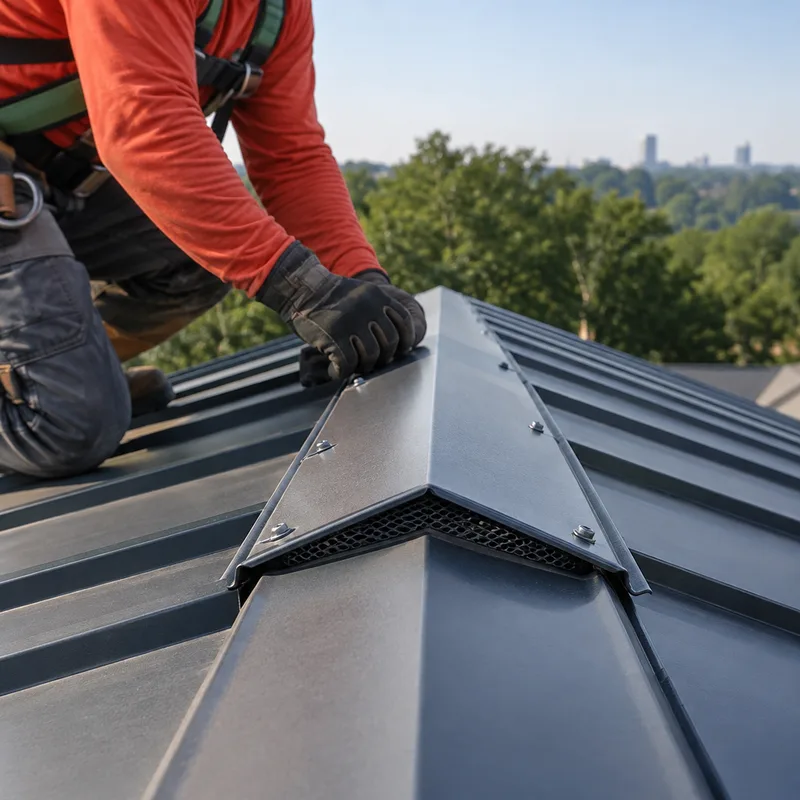
The right choice depends on your roof pitch, how many penetrations and valleys you have, and how you want fasteners handled over time. When you call, the contractor will typically ask about roof shape, any past leak areas, and whether you're replacing shingles or an existing metal roof.
They usually start by checking the roof deck condition, ventilation approach, and the tricky water areas: valleys, sidewalls, chimneys, skylights, and plumbing vents. In Decatur-area homes with complex roof lines or lots of tree cover, debris paths and valley design tend to get extra attention.
Sometimes it can, but it depends on local requirements, the condition of the existing roof, and whether the structure and details allow a sound assembly. The contractor you speak with can explain what's allowed for your home and whether tear-off is the better move for inspection and long-term performance.
On a typical home with a roof deck and attic space, a properly installed metal roof generally does not sound dramatically different from other roof types from inside the living space. Noise complaints are more common in open structures or where the assembly lacks the usual layers that dampen sound, so the contractor will consider the full roof build-up, not just the panels.
Start with the basics: the type of roof you have now, any active leaks or interior stains, and whether you're looking for a full replacement or a section. Helpful details include approximate roof age, number of stories, whether there are skylights or a chimney, and any HOA requirements you need to follow.
You describe your metal roofing project once by phone, and we connect you with a local contractor who handles that type of installation in the Decatur area. You speak with the contractor directly about roof options, scheduling, and the quote, and you decide whether to move forward.
Explain what you're replacing and what you want out of a metal roof, and we'll connect you with a local Decatur-area contractor who can look at the details and recommend the right system.
CALL NOW: +1 678 737 4401