
Roof inspections and problem-finding
A thorough look at shingles or panels, flashing, valleys, penetrations, and attic signs of moisture so the repair plan matches the real source of the leak.
Serving Decatur, Georgia & surrounding areas
Calls answered around the clock
Here's how working with Decatur Roofing works, step by step: describe the issue once and we'll connect you with a local roofing contractor who can inspect, repair, or replace the roof based on what your property actually needs.
CALL NOW: +1 678 737 4401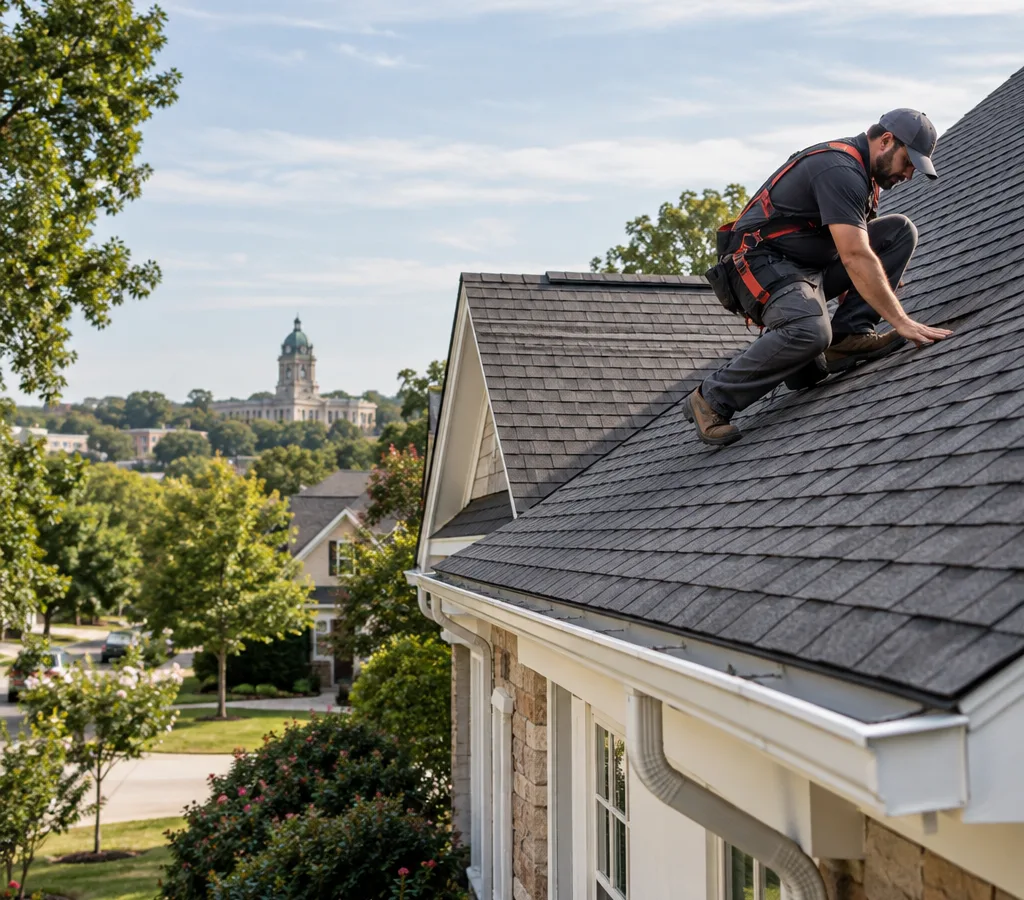
Every job we connect follows the same simple path. It starts when you notice something — a ceiling stain, a few shingles on the ground, granules in the gutter, or a damp smell in the attic. The first step is not guessing the fix. It is getting eyes on the roof, the flashing, and the penetrations (vents, pipe boots, skylights) to confirm where water is entering and what condition the system is in.
Decatur homes include a mix of older roof structures and newer replacements, and that matters. Older roof decks and attic ventilation setups can change what a contractor recommends, especially when you are deciding between a repair and a full replacement. After heavy Georgia storms, the issue can also be wind-lifted shingles or a branch strike that damages a small area but opens a path for water.
Next, we gather the specifics. Decatur Roofing is a referral service. When you call, we take the basics once and connect you with an independent roofing contractor who serves Decatur. You talk to the contractor directly about roof condition, material options, and next steps.
A few details that help us move faster through this step:
That's the whole process. Decatur Roofing focuses on connecting callers to local contractors for roofing work in the Decatur area, without turning your search into a week of callbacks.
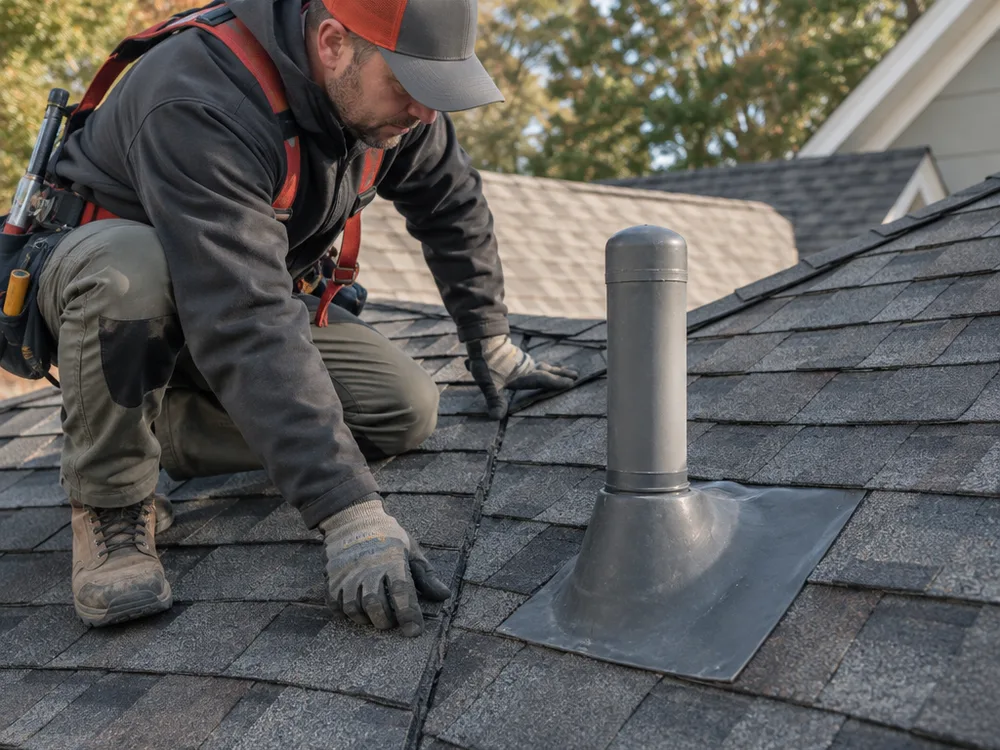
A thorough look at shingles or panels, flashing, valleys, penetrations, and attic signs of moisture so the repair plan matches the real source of the leak.
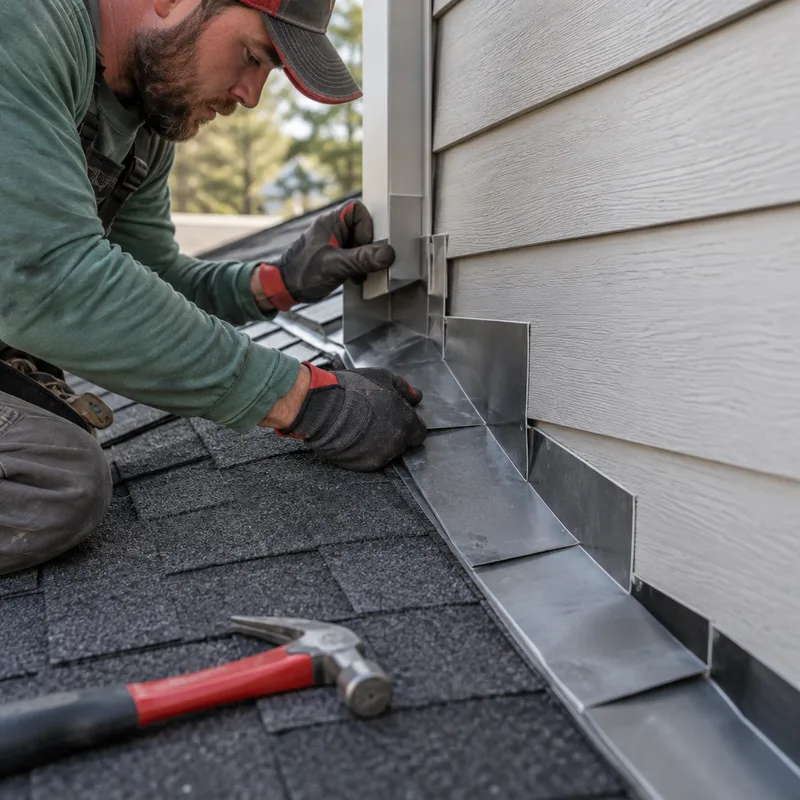
Targeted fixes around chimneys, step flashing along walls, pipe boots, skylights, and valleys where water tends to enter first.
Replacing wind-damaged shingles, correcting lifted edges, and checking ridge caps and hip caps that can loosen after gusty storms.
Tear-off or overlay decisions (when appropriate), deck inspection, underlayment and drip edge, then new roofing installed to manufacturer requirements.
Diagnosis and repairs for membranes and transitions, plus attention to drainage and edge details where ponding and leaks commonly start.
Share the symptoms and what you know about the roof: leak location, missing materials, storm impact, roof type, and access notes.
We match your situation to an independent roofer who serves Decatur and handles the kind of work you described.
They'll check common leak points first, then explain whether a repair makes sense, what materials are involved, and what the work would look like on your property.
You deal directly with the contractor for scheduling, scope decisions, and the final quote. If it's not the right fit, you can choose a different path.
That's the whole process — make one call, describe the issue once, and get connected with a local roofer who can take a closer look.
CALL NOW: +1 678 737 4401
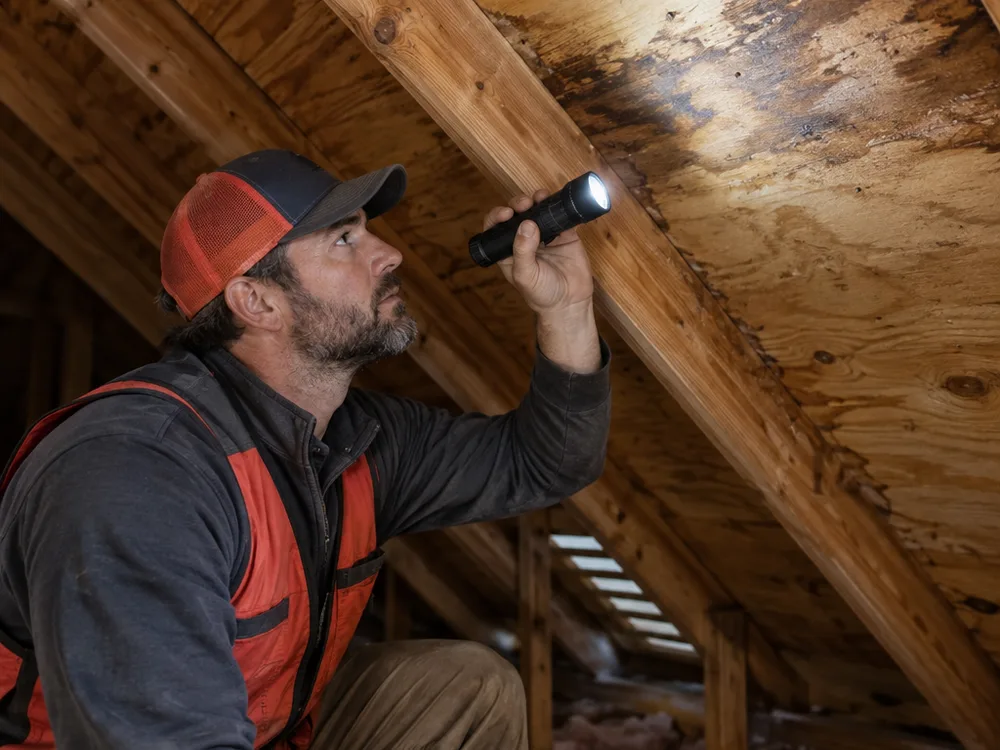
A contractor decides this by checking how widespread the wear or damage is and whether the roof can be repaired without creating weak spots elsewhere. If the issue is isolated to a small area like a few missing shingles or a single flashing point, a repair may be reasonable. If shingles are brittle across multiple slopes, flashing details are failing in several places, or the deck shows broader moisture problems, replacement discussions usually come up.
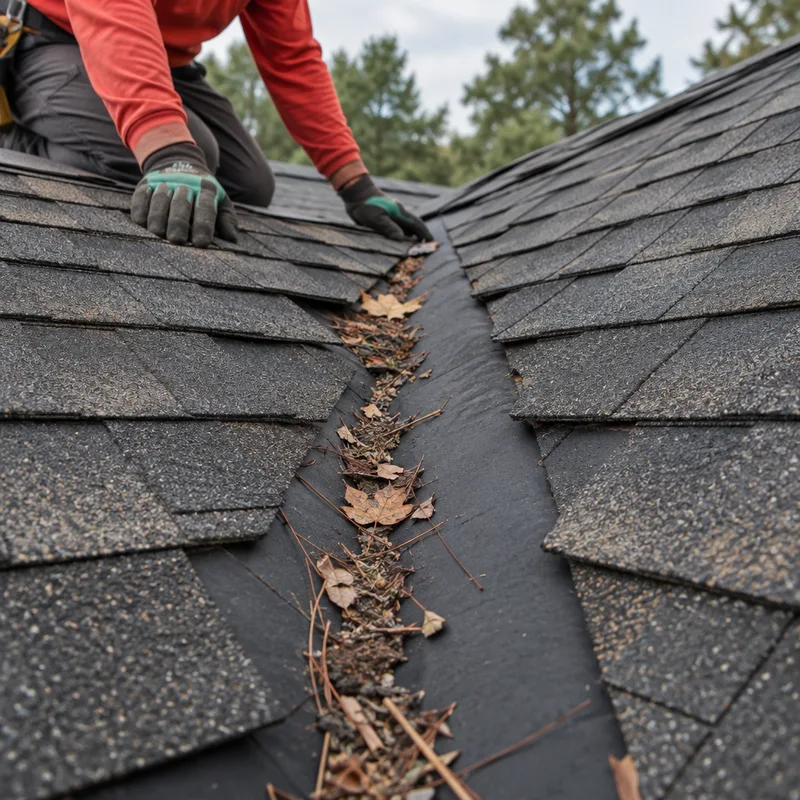
They usually start with the most common entry points: pipe boots, vents, valleys, chimney flashing, skylight curbs, and any roof-to-wall transitions. Many leaks travel before they show up indoors, so the contractor may also look in the attic for staining patterns that point back to the entry location.
The most helpful details are what you're seeing (stain, drip, missing shingles, sagging, granules), when it happens (only during heavy rain or anytime it rains), and where it shows up inside. If you know the roof type and approximate age, mention that too. This helps us connect you with a roofer who matches the job.
A standard replacement involves protecting landscaping, removing old roofing (if a tear-off is part of the plan), inspecting the deck for soft spots, installing underlayment and flashing components, then installing the new roofing and ridge ventilation as needed. A reroof is typically a multi-day project depending on roof size, pitch, and weather, and the contractor will explain the daily work plan before starting.
You can ask the contractor what they prefer, but many inspections can be done if the contractor has safe access to the roof and attic areas that need to be checked. If interior leak signs need to be seen, or if attic access is inside the home, it usually helps to have someone available to point out the problem areas and answer questions.
Compare scope first, not just the bottom line. Ask what they plan to do at leak-prone transitions, what underlayment and flashing approach they use, how they handle any damaged decking they find, and what warranty terms apply to materials and workmanship. Make sure each contractor is quoting the same roof areas and the same level of detail so you're not comparing different jobs.
Yes. When you call, describe the property type and roof type (steep-slope shingle, metal, low-slope membrane), along with what's happening. We'll use that information to connect you with a local contractor who works on the kind of roof you have.
Call Decatur Roofing, describe what you're seeing once, and we'll connect you with a local contractor who can inspect the roof and walk you through the next step.
CALL NOW: +1 678 737 4401