
Describe it once
Explain where you see water, missing shingles, or storm damage one time, then talk directly with a contractor who handles that kind of repair.
Serving Decatur, Georgia & surrounding areas
Calls answered around the clock
Describe the leak or damage once and we'll connect you with a local roofing contractor who works in Decatur and can take it from there.
CALL NOW: +1 678 737 4401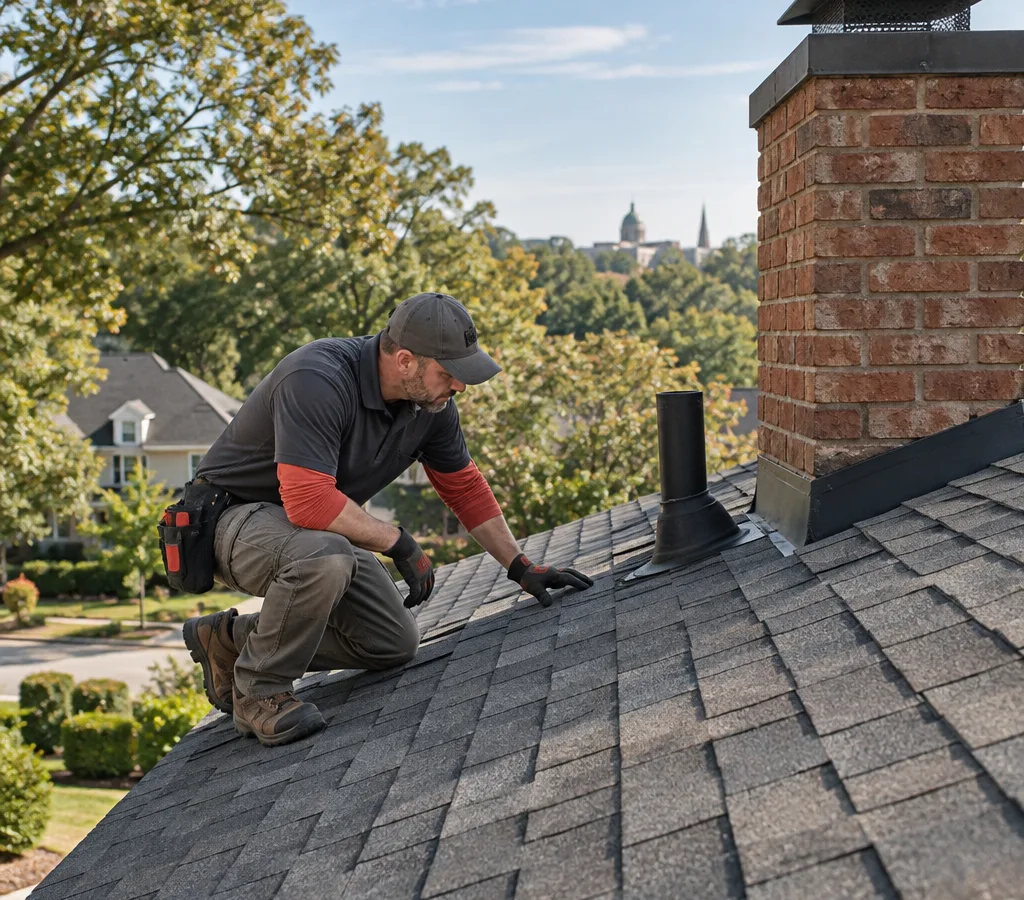
When you're searching for roof repair Decatur GA, the usual goal is simple: stop water intrusion and get the roof back to doing its job. The tricky part is that the visible symptom—a ceiling stain, dripping vent, or damp insulation—often appears far from the real entry point.
A roof repair appointment typically starts with tracking down the failure point, then choosing the right fix for the roof's material and the way it's built. A local roofer may work on one or more of these areas:
In Decatur, tree cover and pollen season can load roofs and gutters with debris. That debris can hold moisture against shingles and push water where it normally would not go, especially in valleys and behind chimneys. A good repair approach looks at the water path first, not just the stain inside.
If you want to talk through what you're seeing, Decatur Roofing takes one call, gets the details, and connects you with an independent local contractor who handles roof repair in Decatur. For general roofing needs beyond repair, you can also find an overview of roofing topics and how homeowners usually describe their situation on the first call.
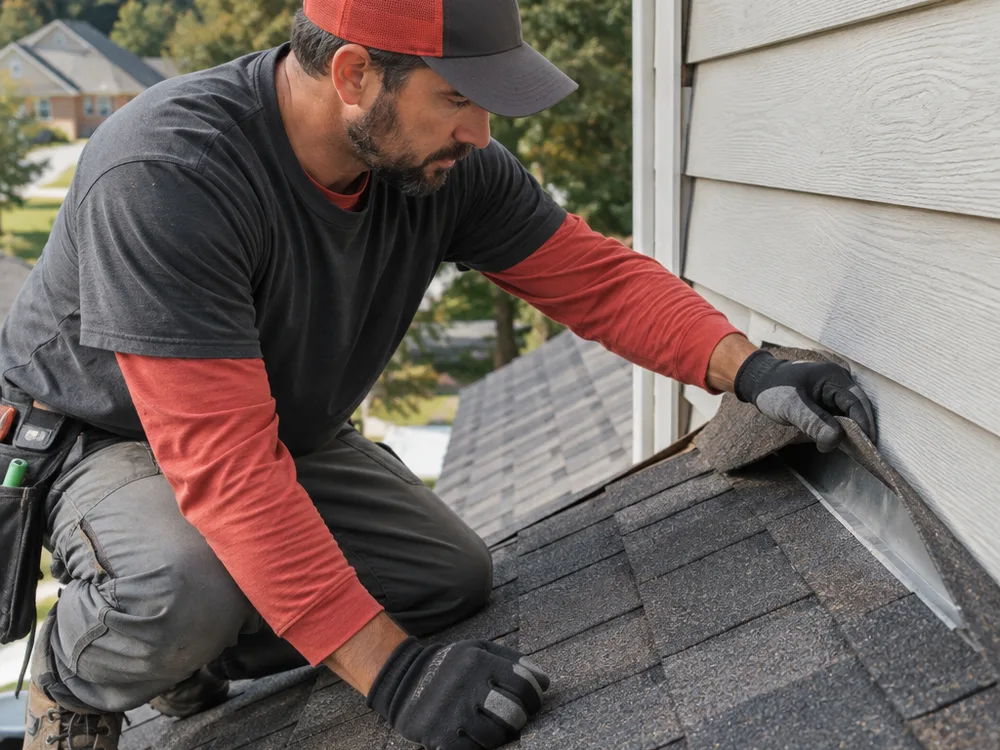
Explain where you see water, missing shingles, or storm damage one time, then talk directly with a contractor who handles that kind of repair.
Leaks at chimneys, flashing failures, and shingle blow-offs call for different checks. The goal is to connect you with a roofer who matches the problem.
Decatur-area roofs deal with heavy rain events and lots of leaf debris. Contractors familiar with local housing styles know where problems tend to show up.
You speak with the contractor, hear repair options, and decide whether to move forward. There's no obligation to proceed.
When you call, we'll help you organize the key details so the contractor can focus on diagnosing, not guessing.
Share what you're seeing—leak location, missing shingles, a recent storm, or ceiling stains—and any roof details you know, like material type and approximate age.
Based on the situation, we route your call to an independent roofing contractor who serves Decatur and takes on repairs like yours.
They'll inspect likely entry points—flashing, penetrations, valleys, and vents—explain what they found, and walk through repair approaches for your roof type.
If you want to proceed, you coordinate the repair directly with the contractor. If not, you're free to pause and consider your options.
If water is showing up inside or shingles are missing after wind, describe the symptoms once and get connected with a local Decatur-area roofer who can diagnose the source and talk through repair options.
CALL NOW: +1 678 737 4401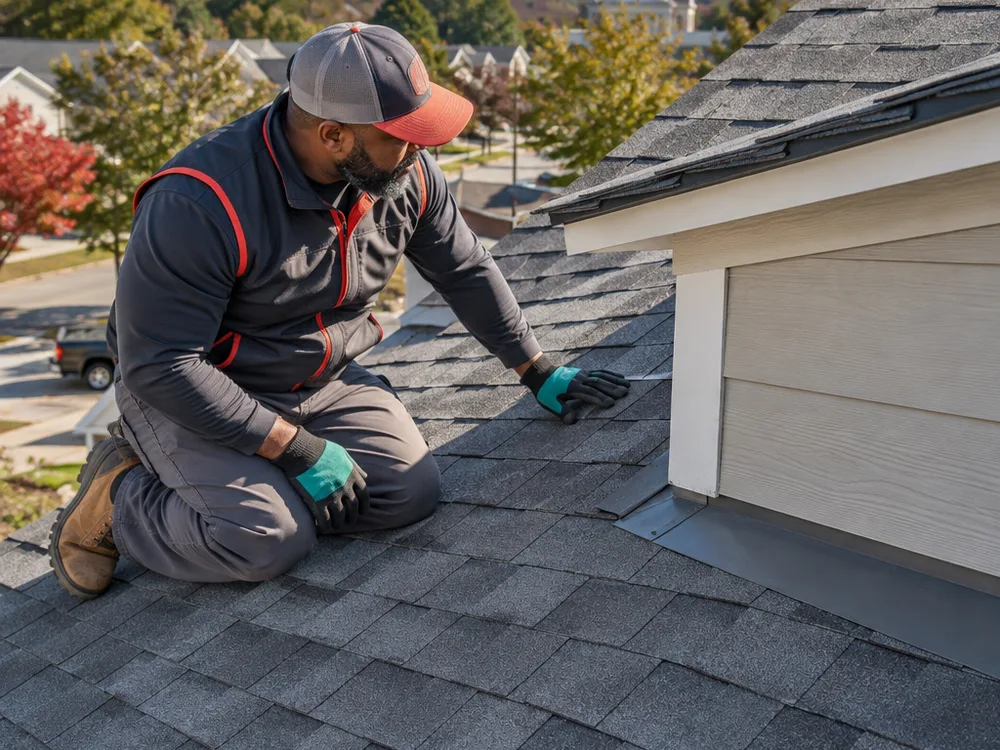
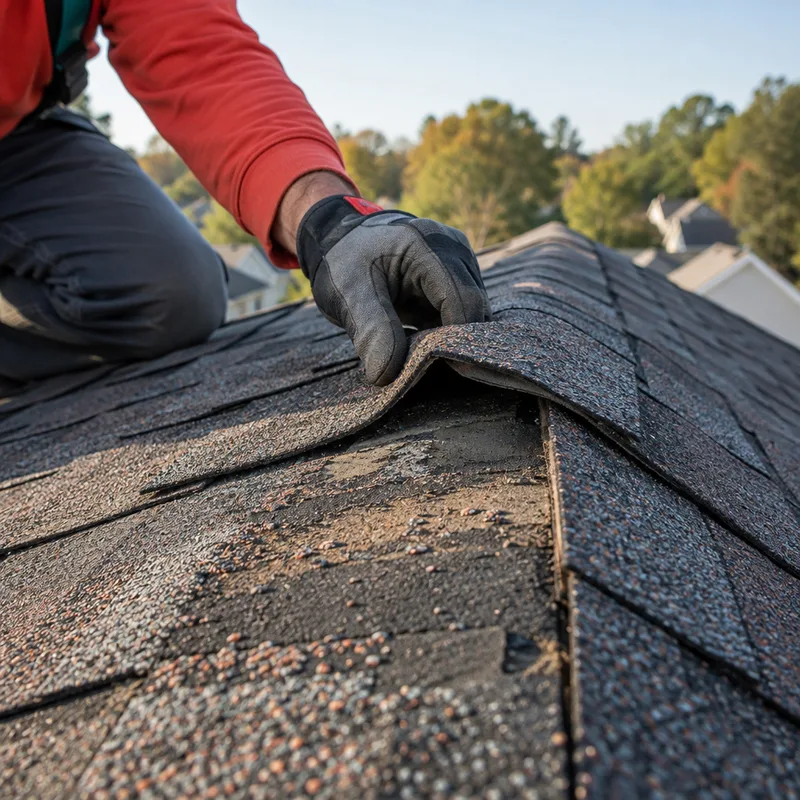
The most helpful details are what you see inside—ceiling stain location, dripping, or wet insulation—what you see outside—missing shingles, lifted flashing, or debris buildup—and whether anything changed recently, such as wind, hail, or tree limb contact. If you know the roof type and approximate age, share that too, but it's fine if you don't.
Not necessarily, because water can travel along decking, underlayment, rafters, and even around vents before it shows up as a stain. Contractors typically trace the likely water path by checking penetrations and flashing uphill from the interior symptom, then verifying on the roof surface.
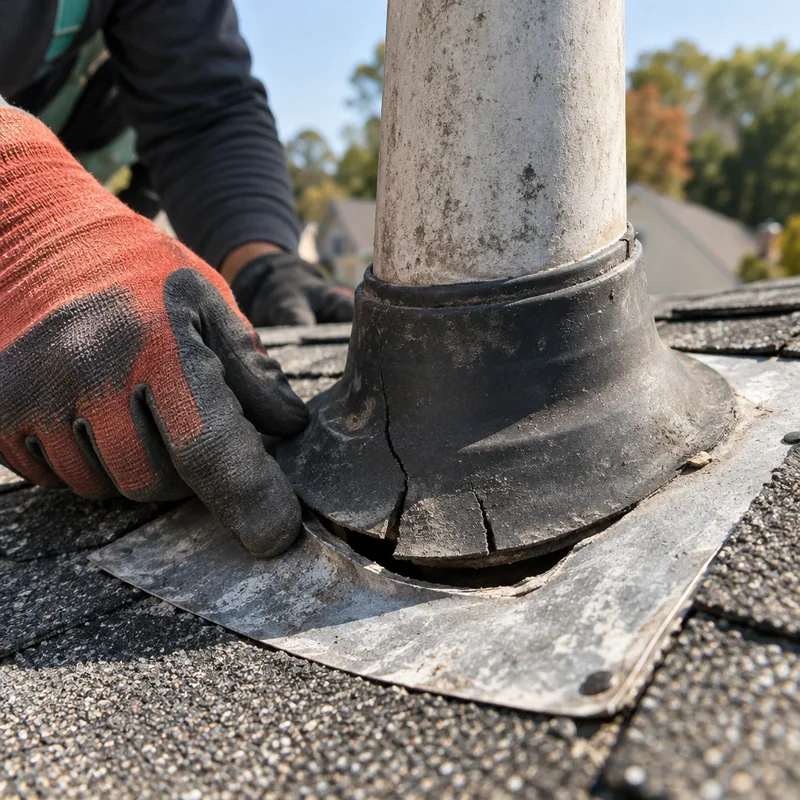
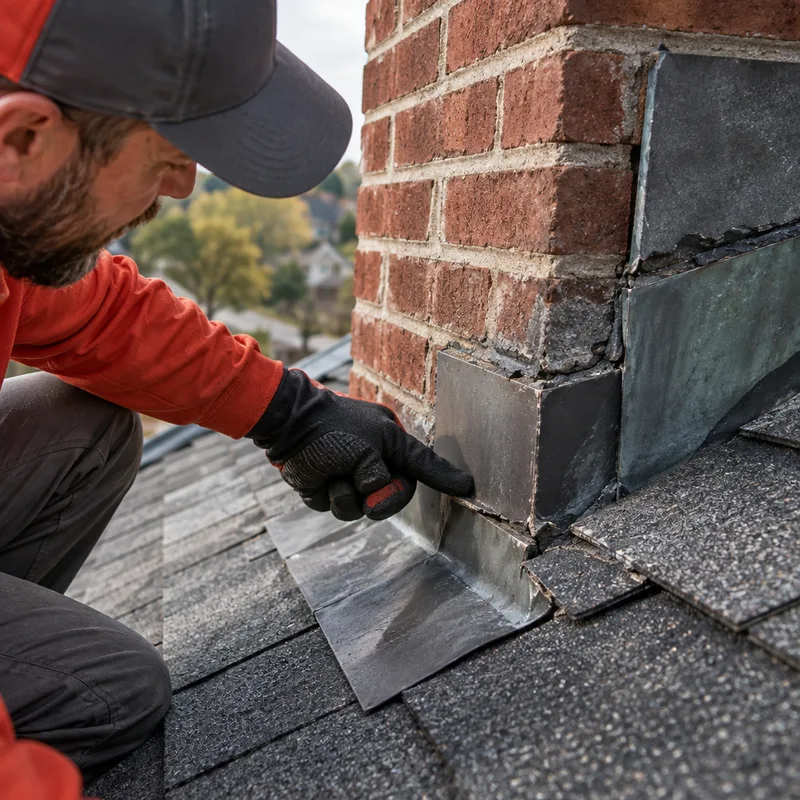
A roofer usually starts with the highest-probability entry points: pipe boots, chimney and wall flashing, valleys, skylights if present, and any areas where shingles transition or terminate. They also look for exposed nails, cracked sealant at the right locations, and signs of water tracking under the surface layer.
It depends on the cause and how widespread the failure is. A localized issue like a failed vent boot or a small flashing problem may be handled as a targeted repair, while repeated leaks in multiple areas can point to broader wear, poor drainage at valleys, or aging materials that need a more comprehensive plan.
Wind can break the adhesive bond on older shingles, lift tabs at roof edges and ridges, or exploit areas where debris holds moisture and weakens the seal. After storms, contractors often find issues at ridgelines, hip caps, and near roof edges where wind pressure is highest.
Yes, overflow and backup at the eaves can soak fascia boards and the roof edge, then show up as staining inside exterior walls or along ceilings near the perimeter. A contractor may look at gutter overflow patterns, drip edge condition, and any rot at the roof edge as part of the diagnosis.
Leaks near chimneys, sidewalls, and valleys often involve flashing or the way shingles tie into those transitions, while leaks in open field areas of the roof can be tied to missing, cracked, or punctured shingles. A roofer can usually confirm by inspecting the transition details and looking for water staining patterns under the surface layer.
It helps to be available to show where you've seen water and to answer questions about when it started, but the contractor can often do the roof-side inspection without you present. If there is interior leaking, access to the attic, if you have one, can also help narrow down the entry point.
Pick up the phone and describe what you're seeing. Decatur Roofing will connect you with a local contractor who can inspect the likely leak points, explain repair options, and let you choose what happens next.
CALL NOW: +1 678 737 4401